
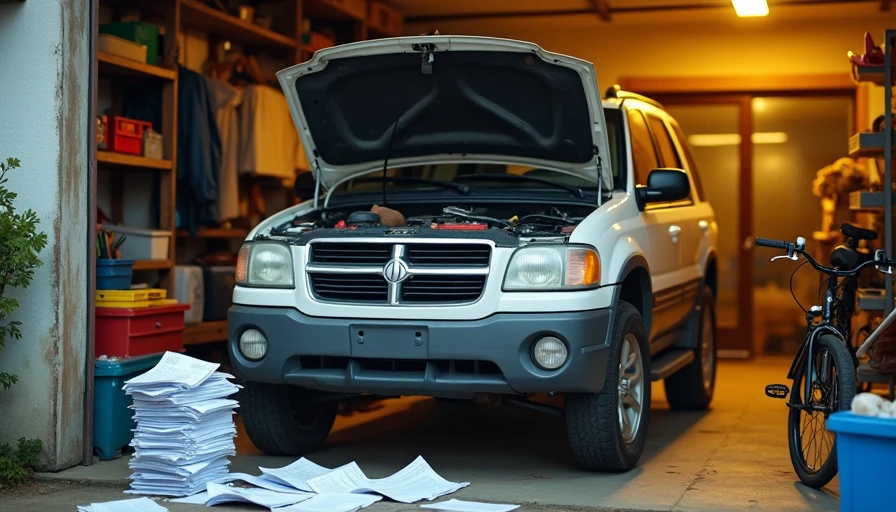
Hey friends, Marcus Reyes here from Toledo, Ohio. I’ve been that guy standing on a used car lot thinking, “Wow, this minivan is only $9,000! What a steal!” Only to discover six months later that I’d actually bought a very expensive headache.
After buying and helping friends buy cars for our families, I’ve learned one of the most important lessons in family car shopping: the purchase price is just the beginning. The hidden costs are what separate a smart buy from a budget disaster. Today we’re diving deep into the real numbers so you can avoid my early mistakes and keep more money for Emily’s Target runs, Noah’s soccer gear, and Sophie’s dance classes.
Why “Cheap” Cars Often Cost the Most
A low sticker price feels amazing in the moment. But cars don’t stop costing money the day you drive off the lot. They keep sending you bills for years — sometimes bigger bills than a slightly more expensive but better-maintained vehicle.
Think of it like buying a house. The cheapest house on the block usually needs a new roof, furnace, and plumbing. Same thing with cars. That $8,000 “deal” might need $4,000 in repairs in the first two years. Suddenly it’s not cheap anymore.
The Big Hidden Costs Most Families Ignore
1. Repairs and Maintenance
This is the killer. Older or neglected cars break more often.
Transmission rebuild: $2,500–$4,000
Timing belt/water pump on certain engines: $800–$1,500
Suspension work (struts, control arms): $1,200+
AC repair in Ohio summer heat: $800–$1,400
I once bought a “great deal” SUV that needed new brakes, rotors, and a power steering pump within four months. The savings disappeared fast. Now I budget $800–$1,200 per year for maintenance on any car over 7 years old.
2. Insurance Premiums
Insurance companies know which cars are expensive to fix or get stolen. A cheap sports sedan or a model with poor safety ratings can cost you hundreds more per year.
Ask your agent for quotes before you buy. I’ve seen families shocked when their “bargain” car raised their six-month premium by $600.
3. Fuel Costs
That thirsty V6 SUV that gets 18 mpg in the city versus a 28–32 mpg efficient crossover? Over 15,000 miles a year at current Ohio gas prices, that’s easily a $1,000+ difference annually. For families doing school runs, errands, and weekend trips, it adds up fast.
4. Tires, Brakes, and Consumables
Good tires for a family hauler: $600–$900 every 40–60k miles.
Brakes: $400–$800 per axle.
Wiper blades, filters, fluids — small stuff that nickel-and-dimes you.
5. Resale Value Hit
Buy a car that drops like a rock and when you need to sell or trade in a few years (maybe when Noah starts driving), you lose big. Reliable Hondas and Toyotas hold value much better than some domestic or luxury options.
6. Time and Stress
This one doesn’t show up on a spreadsheet but matters. Breakdowns with kids in the car, missed work for repairs, arguments with Emily about yet another shop visit — priceless in the worst way.
Real Numbers: Two Cars Compared

Let’s look at two realistic Toledo examples (current 2026 used market):
Car A – “Cheap” Option
Purchase price: $9,500
Year/Miles: 2012, 135k miles
Expected first 3 years: – Repairs: $3,200 – Insurance: $1,450/year – Fuel: $2,100/year – Maintenance: $950/year Total 3-year cost: ~$19,800 (beyond purchase)
Car B – Smarter Choice
Purchase price: $15,500
Year/Miles: 2016, 95k miles (Honda/Toyota)
Expected first 3 years: – Repairs: $900 – Insurance: $1,180/year – Fuel: $1,650/year – Maintenance: $650/year Total 3-year cost: ~$12,700 (beyond purchase)
Car B ends up thousands cheaper over time and far less stressful. This is why I always run the five-year ownership math now.
How to Spot Future Money Pits Before Buying
Check service records for regular oil changes and major services.
Look for rust (especially on Midwest salt-belt cars).
Test all electronics — failing power windows or AC are warning signs.
Research the specific year/make/model on forums for common expensive failures.
Get a pre-purchase inspection. The $150 you spend can save you thousands.
My Family Ownership Budget Rule
We aim for total annual ownership costs (fuel + insurance + maintenance + repairs + depreciation) to stay under 15% of our transportation budget. Anything higher forces us to reconsider the vehicle.
Emily and I sit down together and run the numbers. We ask: “Can we afford the surprises this car might throw at us while still taking the kids to Cedar Point this summer?”
Lessons from My Own Driveway
Our first family minivan was a “bargain” that taught me everything. Beautiful on the outside, but it drank oil, had electrical gremlins, and needed tires immediately. We spent nearly as much fixing it as we saved on the purchase. The next one — a higher-mileage but well-cared-for Honda — has been dramatically cheaper and more reliable.
Sophie still talks about our road trip in the better car because we weren’t stressed about weird noises the whole time.
Actionable Checklist: True Cost Calculator
Before you buy any used car, fill this out:
Purchase price + taxes/fees = ________
Estimated annual repairs & maintenance = ________
Annual insurance quote = ________
Annual fuel (miles driven × cost per mile) = ________
Expected value in 3 years (use KBB) = ________
Total 3-Year Cost = Purchase + (3 × annual costs) – resale value
If the number makes you uncomfortable, keep looking.
Bottom Line for Families
You work hard for your money. Your car should work hard for your family without constantly asking for more. The goal isn’t the cheapest car — it’s the one with the lowest total cost of ownership that still keeps your kids safe and your life running smoothly.
Next time you see a suspiciously low price, slow down and run the real numbers. A few extra thousand upfront can save you many thousands later — and a lot of headaches.
Buy the car, not the story. And definitely not the future repair bills.
Have you ever been surprised by hidden costs on a “cheap” car? Share your story below. I read every comment and it helps other parents in Toledo and across the country make better choices.
Drive wisely,
Marcus Reyes
Toledo, Ohio