

Buy the Car, Not the Story: Why Your Family Budget Depends on the Truth
Let’s be honest for a second. Walking onto a used car lot feels a bit like walking into a high-stakes poker game where the other guy can see your cards, and you’re pretty sure the dealer is related to him. You’re there because you need a reliable set of wheels to get Noah to soccer practice and Sophie to dance, but the guy in the pleated khakis is trying to sell you a "lifestyle" wrapped in a 2018 SUV with mystery stains in the third row.
I’m Marcus Reyes. I live in Toledo, I love a good weekend BBQ, and I have spent more time than I’d like to admit under the hoods of cars that were described as "pristine" but actually had the structural integrity of a wet taco. I’m not a professional mechanic, and I definitely don’t work for a dealership. I’m just a guy who got tired of seeing my friends and neighbors get played by glossy listings and "one-owner" fairy tales.
The "Polished Listing" Trap
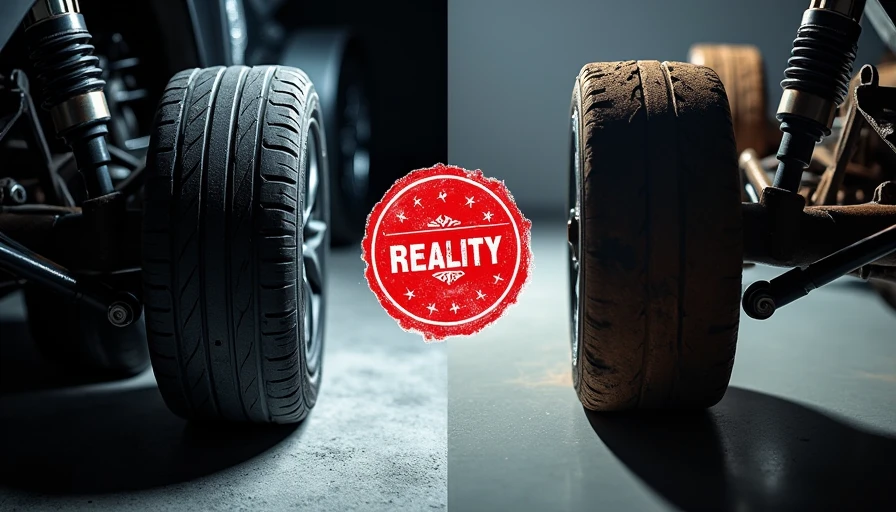
We’ve all seen it. You’re scrolling through Facebook Marketplace or a dealer site at 11:00 PM. You see a minivan that looks like it was kept in a vacuum-sealed bag. The description says "Highway miles only" and "Senior owned."
Here is the Family Car Truth: The listing is a commercial; the car is a reality.
When a dealer tells you a story about the previous owner, they are trying to build emotional value where mechanical value might be missing. They want you to see a safe vessel for your kids. I want you to see the weeping water pump and the mismatched tires. My goal with this blog is to teach you how to separate the narrative from the metal.
Why Logic Beats Emotion Every Time
Buying a car for a family is an emotional process. You’re thinking about road trips, safety ratings, and whether the trunk can handle a massive Costco run. Dealers know this. They talk about "monthly payments" and "safety features" because those are emotional hooks.
But a car doesn't run on emotions. It runs on oil, transmission fluid, and a cooling system that hasn't been ignored for three years. If you buy the "story" (e.g., "The previous owner was a librarian who only drove it to church"), you might overlook the fact that the car hasn't had an oil change since the Obama administration.
My "Walk Away" Philosophy
In the glove box of my own car, I keep a handwritten checklist. It’s my "Walk Away" list. If I see bubbles in the coolant, I walk away. If the salesperson says "that noise is normal," I walk away. If the math on the financing looks like a riddle wrapped in an enigma, I definitely walk away.
On this site, I’m going to share that list with you. We’re going to dive into:
The 20-Minute Test Drive: How to listen for the sounds that cost $2,000 to fix.
Dealer Speak Translation: What "Market Adjustment" actually means (Hint: It means "We want more of your money for no reason").
The Family Fleet: Why that cool-looking SUV might actually be a nightmare for car seats compared to a "boring" minivan.
This Isn't About Status
If you’re looking for reviews on the latest $90,000 electric luxury tank, you’re in the wrong place. We talk about the cars that real families in places like Toledo actually drive. We talk about the 8-year-old Honda Pilot that still has five good years left in it if you treat it right. We talk about keeping your money in your savings account instead of giving it to a finance manager who’s already scouting his next vacation.
The truth is, a good used car is out there. You just have to be willing to look past the tire shine and the fresh wax. You have to be willing to ask the awkward questions. And most importantly, you have to be ready to buy the car, not the story.
Welcome to the bench. Let’s get to work.