

Hey friends, Marcus Reyes here from Toledo, Ohio. I still remember sitting at our kitchen table with Emily, staring at a glossy brochure for a shiny new crossover. The monthly payment looked “doable,” and the salesman made it sound like we’d be failing as parents if we didn’t drive something that nice.
Then reality hit. Noah was starting school, Sophie needed dance classes, and our budget was already stretched. That moment taught me one of the most important lessons in family car buying: figuring out how much car you can actually afford is way more important than finding the “perfect” vehicle.
After helping multiple friends avoid the same trap and running the numbers for our own family multiple times, I’ve put together this straightforward guide. No fancy finance talk. Just honest math from a regular dad who wants to keep money in your pocket for the things that actually matter.
The Big Lie Most Families Believe
Dealerships love to talk about monthly payments. “Only $329 a month!” Sounds harmless, right? But stretch that loan to 72 or 84 months, add in all the fees, and suddenly you’re paying thousands more in interest while driving a depreciating asset.
Here’s the truth: Your car should improve your life, not own it. A good rule I use is the 25/10/5 Rule for families:
Total vehicle expenses (payment + insurance + fuel + maintenance) should not exceed 25% of your take-home pay.
Never finance a car for more than 10% of your annual income.
Aim to keep your total car payment (including everything) under 5–8% of monthly income if possible.
For a normal Toledo family bringing home $5,500 a month after taxes, that means total car costs should stay around $1,375 or less per month — and ideally much lower.
Step-by-Step: Calculate Your Real Number
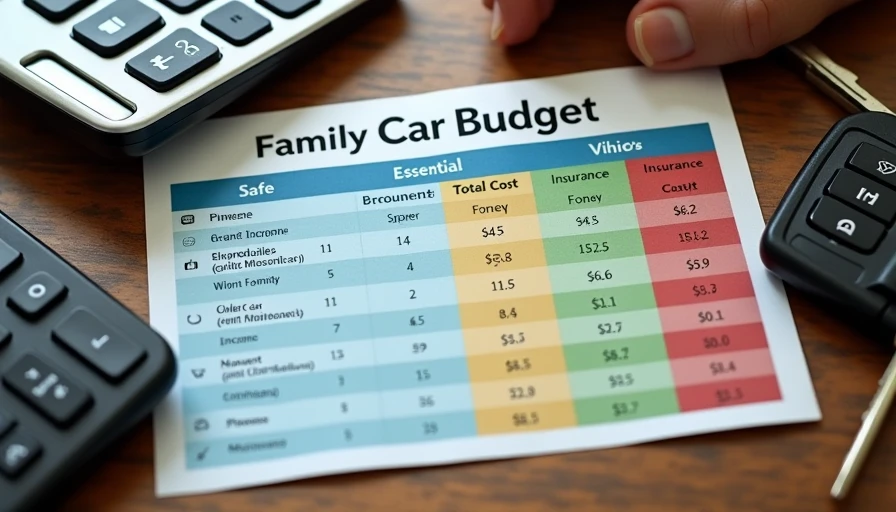
1. Know Your True Take-Home Pay
List all monthly income after taxes, health insurance, and 401k contributions. Be honest. Emily and I include overtime or bonuses only if they’re consistent.
2. List Your Non-Negotiable Expenses
Mortgage/rent
Groceries & household
Utilities
Kids’ activities & school costs
Savings for emergencies and college
Retirement contributions
Subtract these from your take-home. What’s left is your flexible budget. From that, transportation should take no more than 20–25%.
3. Factor in Real Ownership Costs
Don’t just look at the payment. Add these:
Insurance: $120–$200/month for a family hauler
Fuel: $150–$300/month depending on miles and efficiency
Maintenance & repairs: $80–$150/month average for a used car
Registration, tires, etc.: $30–$60/month
A $350 payment can easily become a $650–$750 reality.
4. The 20-Minute Family Affordability Test
Sit down with your spouse and answer these:
If we lose one income for 3 months, can we still make this payment comfortably?
Does this car leave enough for family fun, vacations, and emergencies?
Will we still sleep well at night knowing the numbers?
If the answer to any is “no,” you’re buying too much car.
My Family’s Real Numbers (2026 Update)
For our household (two adults, 13-year-old Noah, 9-year-old Sophie):
Monthly take-home: ~$6,200
Max transportation budget: $1,400 (22%)
Current reality: $680 total (payment $0 — we paid cash for our used Honda + insurance/fuel/maintenance)
We sleep much better now than when we had payments. That extra money goes to soccer, family barbecues, and our emergency fund.
Common Ways Families Overspend
Falling in love with a vehicle before running the numbers
Letting the dealer focus you only on monthly payments
Ignoring how fast kids grow and needs change
Buying new instead of solid used (depreciation is brutal in the first 3 years)
Adding every “protection package” the finance manager pushes
I’ve watched friends stretch their budget for a “nice” SUV only to stress every month when the transmission or AC fails. Not worth it.
Smarter Alternatives Most Families Overlook
Pay cash for a solid 5–8 year old reliable model
Buy a 2–3 year old certified pre-owned if you must finance (much better than new)
Consider keeping your current car another year or two
Look for private seller deals after doing proper inspections
Remember the cars I recommended earlier — well-maintained Hondas, Toyotas, and certain minivans often give you the best bang for your buck without breaking the bank.
Emily’s Rule That We Live By
“Buy the car our family needs, not the one we wish we had.”
She’s right. Our kids don’t remember what car we drove — they remember the road trips, the weekend barbecues with the trunk full of food, and us being present because we weren’t stressed about bills.
Your Action Checklist
Calculate your real monthly transportation budget tonight
Add up all ownership costs for any car you’re considering
Run the 25/10/5 Rule
Sleep on the decision for at least 48 hours
Get a pre-purchase inspection before signing anything
If the numbers don’t feel good, walk away. There will always be another car.
Final Thought from a Toledo Dad
You don’t need to drive a luxury vehicle to be a good parent. You need reliable transportation that doesn’t steal joy from the rest of your life. A paid-off, sensible used car that fits your actual budget will bring more peace than any fancy badge ever could.
Next time you’re tempted by a shiny lot special, come back to this article. Run the numbers. Protect your family’s financial health as much as you protect their physical safety.
Buy the car, not the story — and definitely not the payment plan that keeps you up at night.
What does your current car budget look like? Are you feeling squeezed or comfortable? Drop a comment below. I read every single one and am happy to give practical feedback to fellow parents.
Drive smart and budget smarter,
Marcus Reyes
Toledo, Ohio